
Multisite Website Redesign & Rebuild for The Falkland Islands Government
Showcasing a custom digital platform with a scalable multisite architecture designed for a future-ready government website ecosystem.
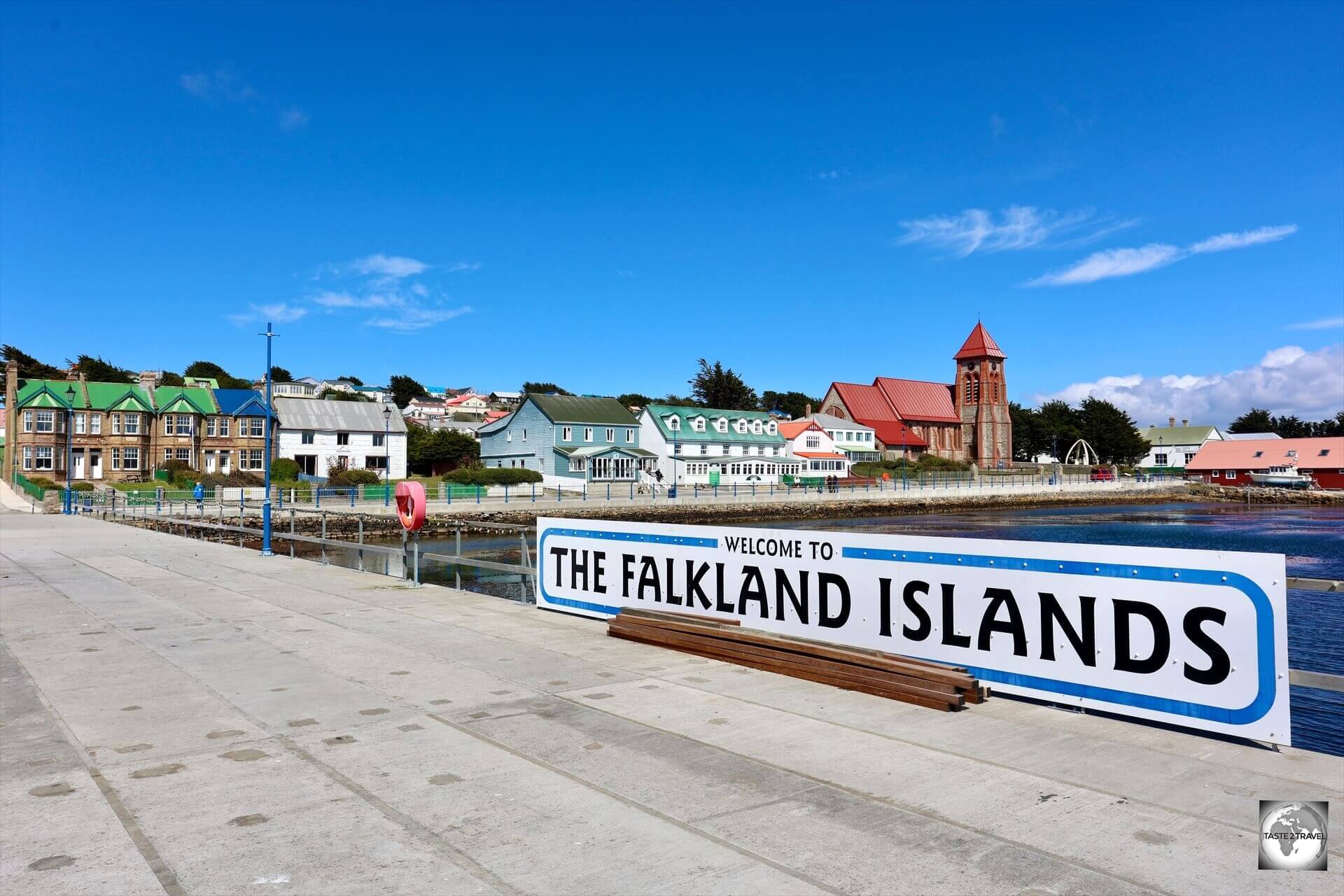
Client

Skill-set utilised
- Multisite website architecture and implementation
- Custom website development and scalable front-end architecture
- Modular block-based content system development
- Design-to-code implementation from Figma
- PHP, JavaScript, SCSS, and modern build tooling
- Responsive, accessibility-focused front-end implementation
Website URL
Industry
Government / Public Sector
Project brief
Modernising Government Digital Infrastructure
The Falkland Islands Government, a UK Overseas Territory, required a robust and flexible digital platform capable of supporting multiple departments and public-facing services within a unified system.
The objective was to move away from a restrictive legacy CMS and deliver a modern, scalable website solution with strong accessibility foundations, improved usability, and long-term maintainability. A key requirement was the implementation of a multisite architecture, enabling centralised management of multiple departmental websites while maintaining consistency, governance, and editorial control.
Our role was to design and develop a website rebuild, including a multi-site architecture designed to support both current requirements and future digital growth.
Challenges & Objectives
Prior to the rebuild, the Falkland Islands Government was operating on an outdated Joomla framework, making routine content updates slow and inefficient. These limitations resulted in increased complexity across multiple departmental websites, inconsistent design and content structures, and a fragmented publishing workflow.
The objective was to replace the legacy system with a modern, scalable website solution aligned with the Government’s branding, accessibility standards, and content requirements. A key requirement was the implementation of a multisite architecture to centralise management while maintaining consistency, governance, and control across departments.
The new platform also needed to improve content editing through a flexible block-based system, while delivering strong performance, responsive design, and SEO-ready foundations across all sites.
Our approach
01
Custom Website Development
I designed and built a custom website solution tailored to the needs of a government organisation. Every template and component was created with a focus on clarity, usability, and accessibility, aligned with best practices commonly seen across UK public sector digital platforms.
A modular content system was implemented to enable editors to manage content efficiently while maintaining consistency across departments.
02
Multisite Architecture Implementation
A multisite network was configured to allow multiple departments and services to operate individual websites under one centralised system. This provided unified administration, shared components, and streamlined updates, while still allowing each site to maintain its own structure and content requirements.
03
Performance, Accessibility & SEO
The platform was optimised from the ground up for performance and accessibility. Clean, efficient code, responsive layouts, and SEO-friendly structures ensure fast load times, strong discoverability, and a reliable experience across devices and connection speeds.
04
Training & Documentation
Clear documentation and guidance were provided to support internal teams. This enabled the Falkland Islands Government to confidently manage content, users, and future expansions within the multisite network.
Key Deliverables
- Fully custom website built to government digital standards
- Multisite architecture for managing multiple departmental websites
- Modular block-based content system for flexible page building
- Mobile-responsive, accessibility-compliant templates
- Performance and SEO-optimised website architecture
- Documentation and editorial training for internal teams
The Results
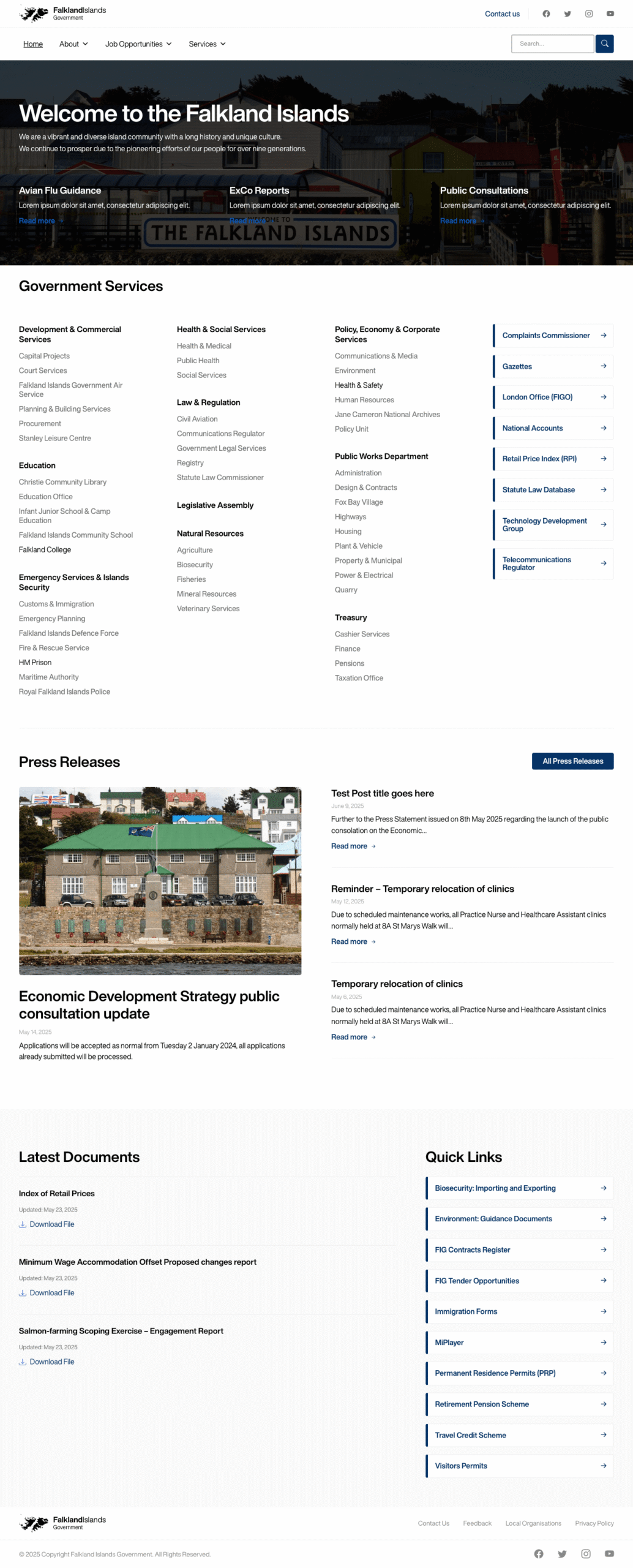
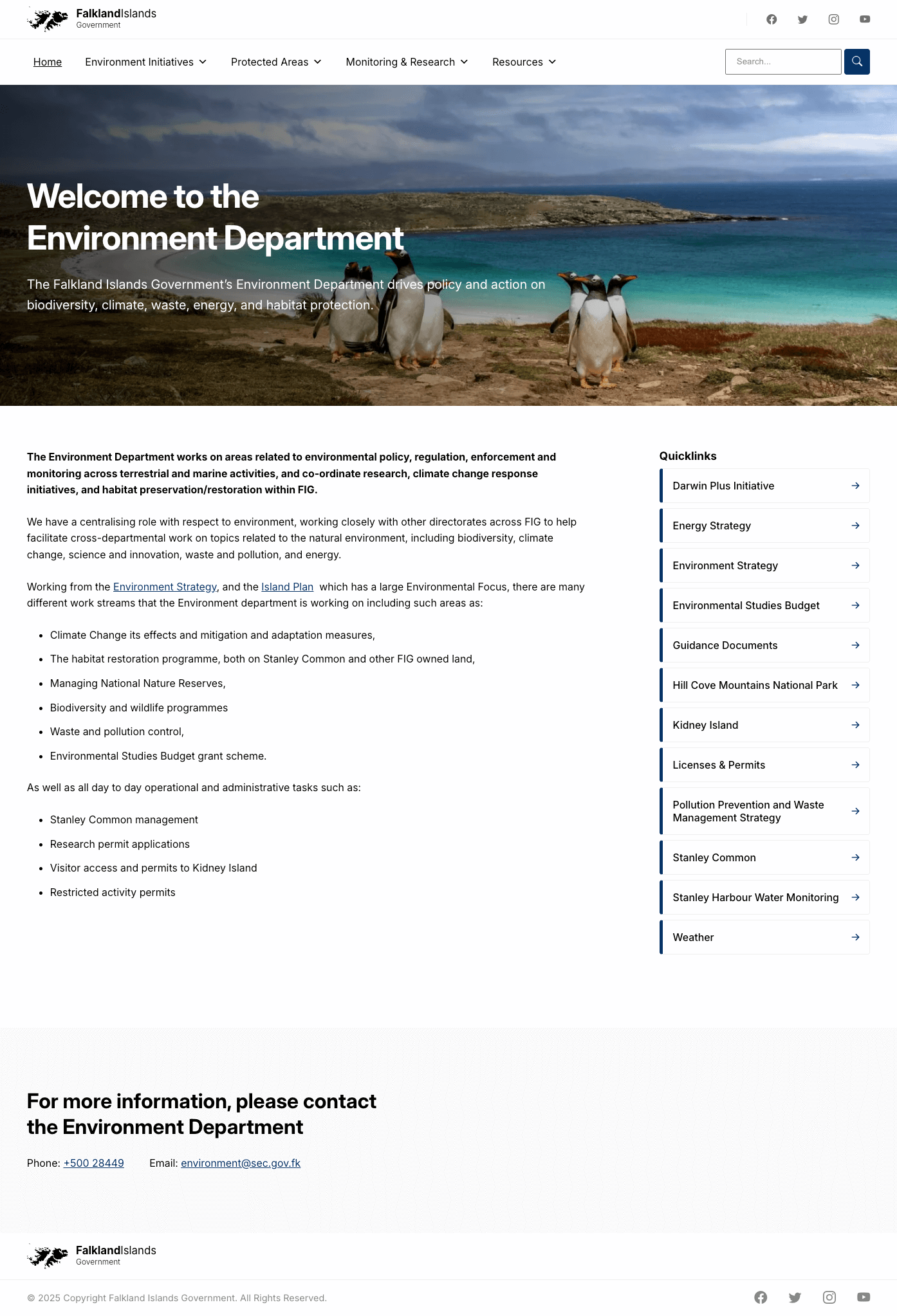
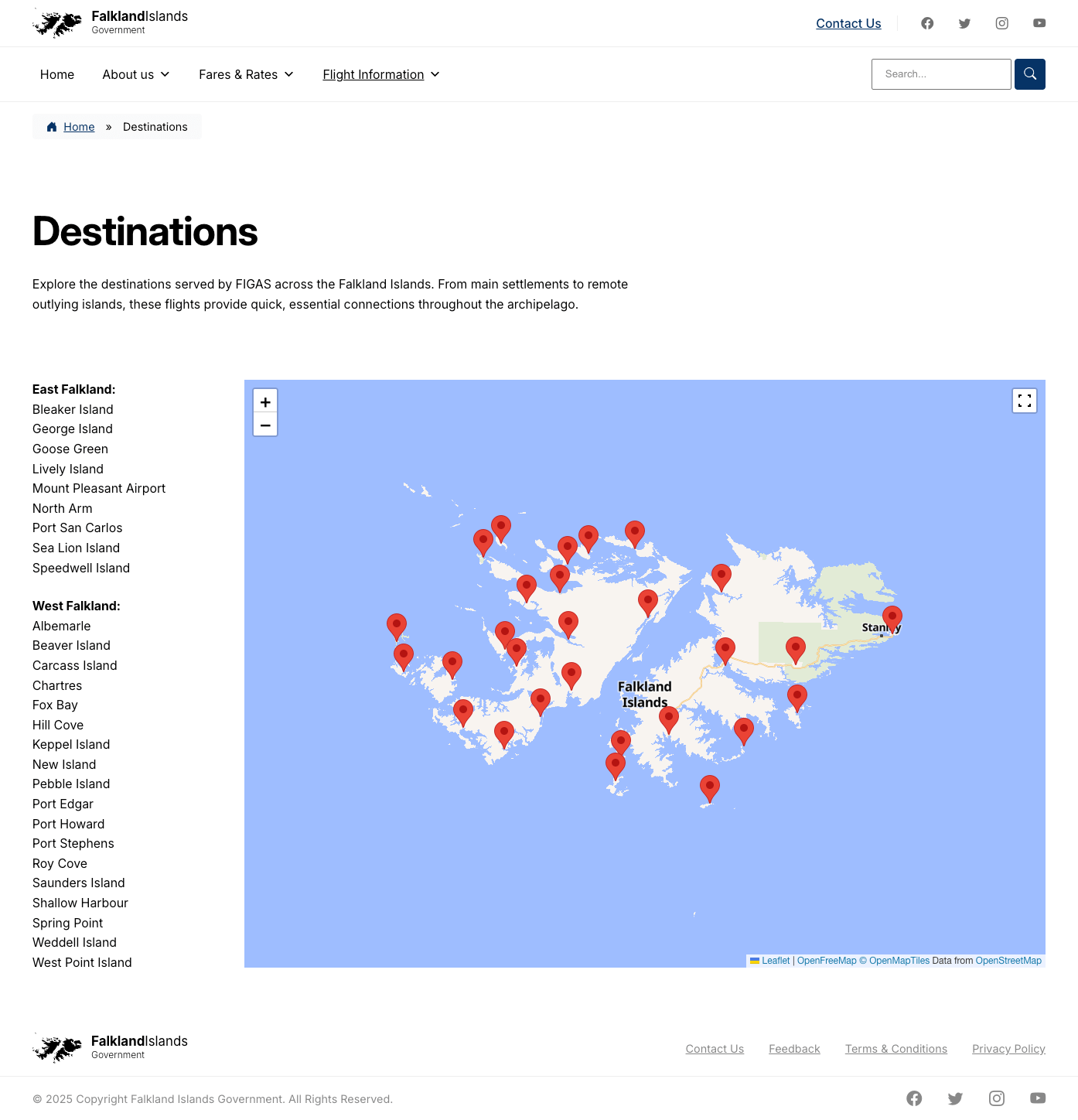
A consistent, accessible design system applied across all departmental websites
Centralised management of multiple sites through a multisite architecture
Faster content publishing with improved editorial workflows and efficiency
A scalable foundation capable of supporting future departments and services
Improved performance, stability, and maintainability compared to the previous system